Our Services
-
![Glanville Industries Solar and Battery]()
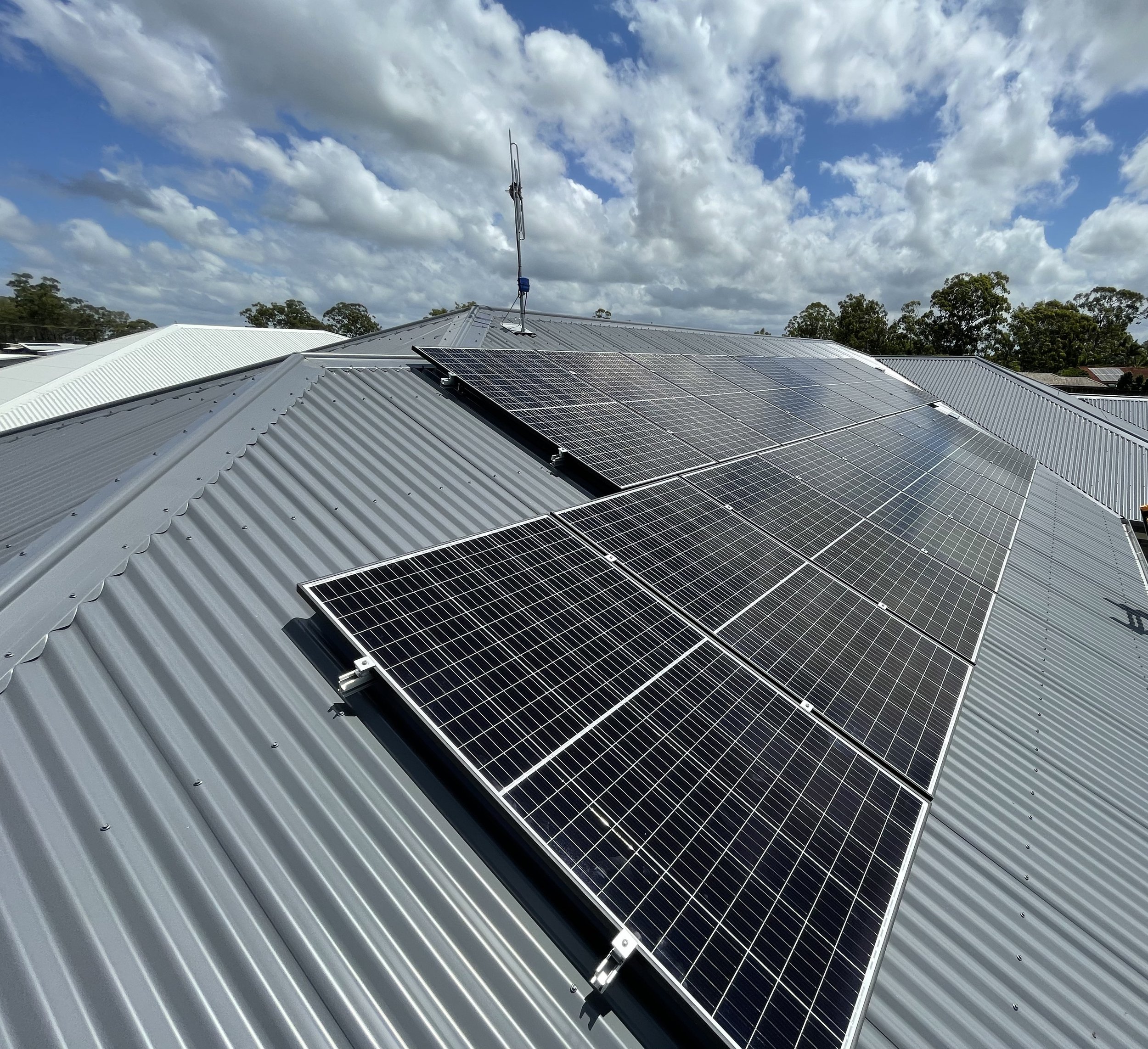
SOLAR & BATTERY
-
![Glanville Industries Electrical]()
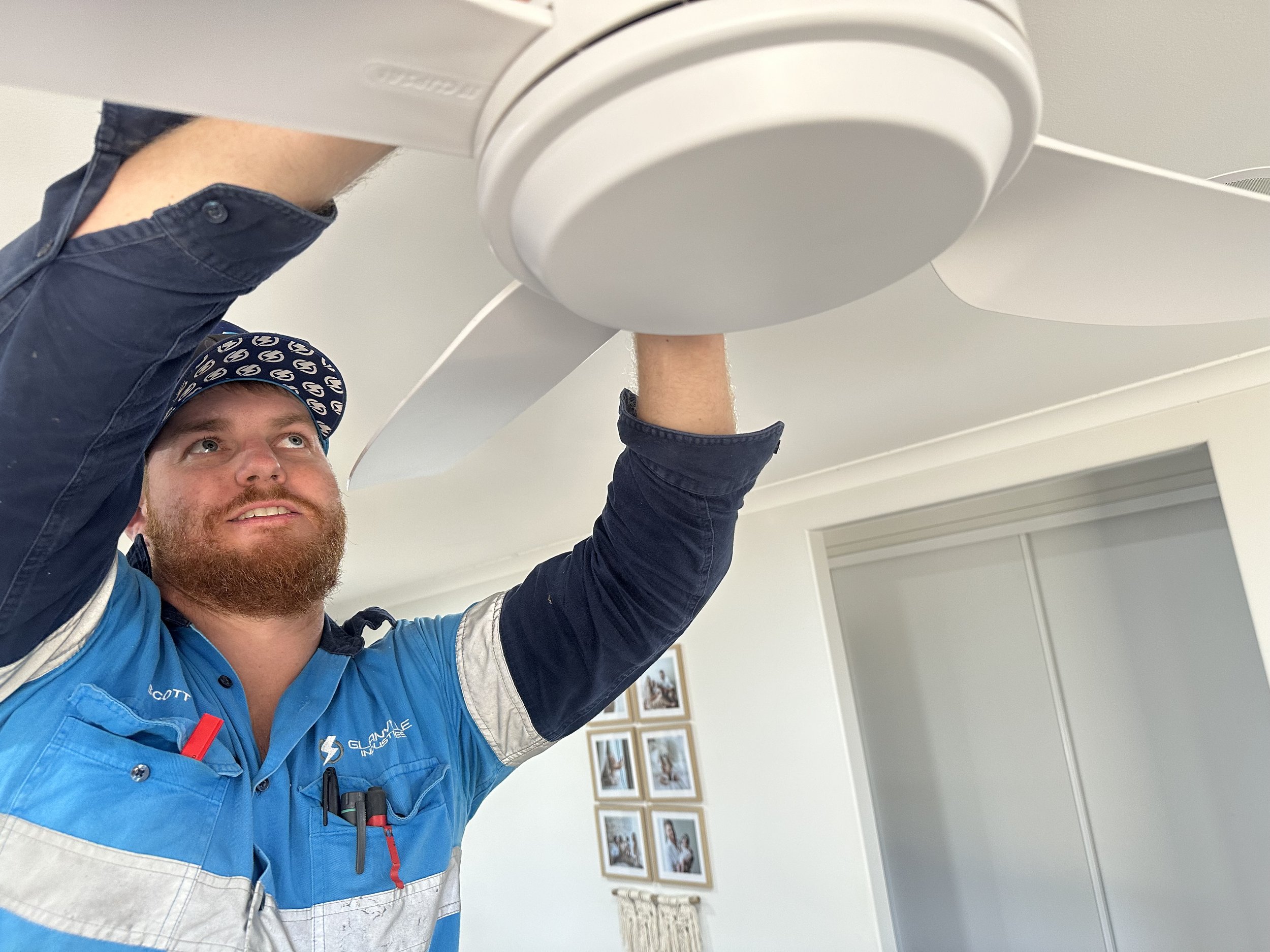
ELECTRICAL
-
![Glanville Industries Air Conditioning]()
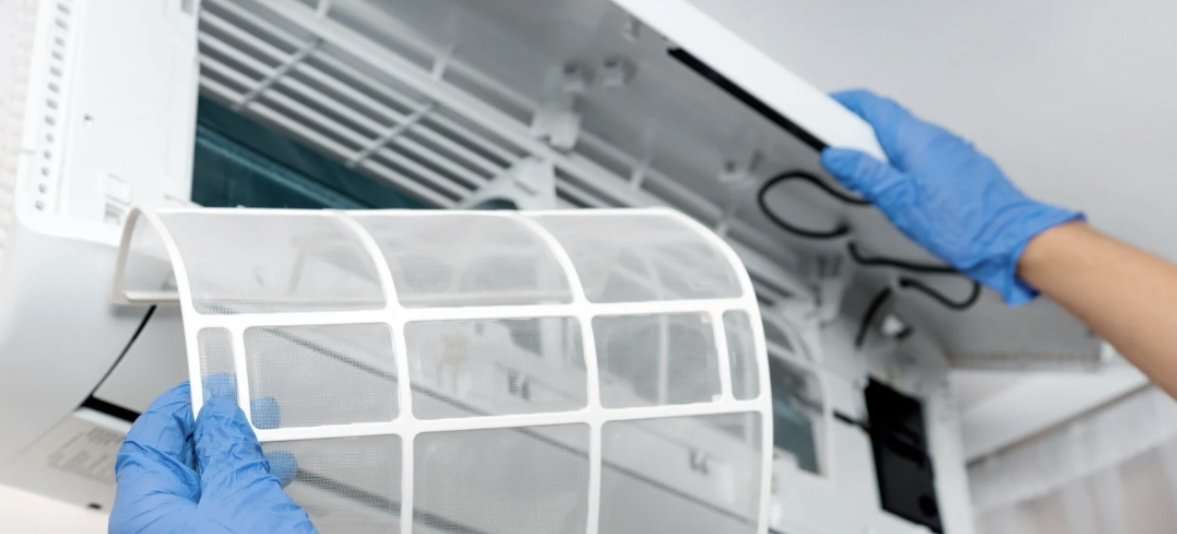
AIR CONDITIONING
-
![Glanville Industries Refrigeration Services]()
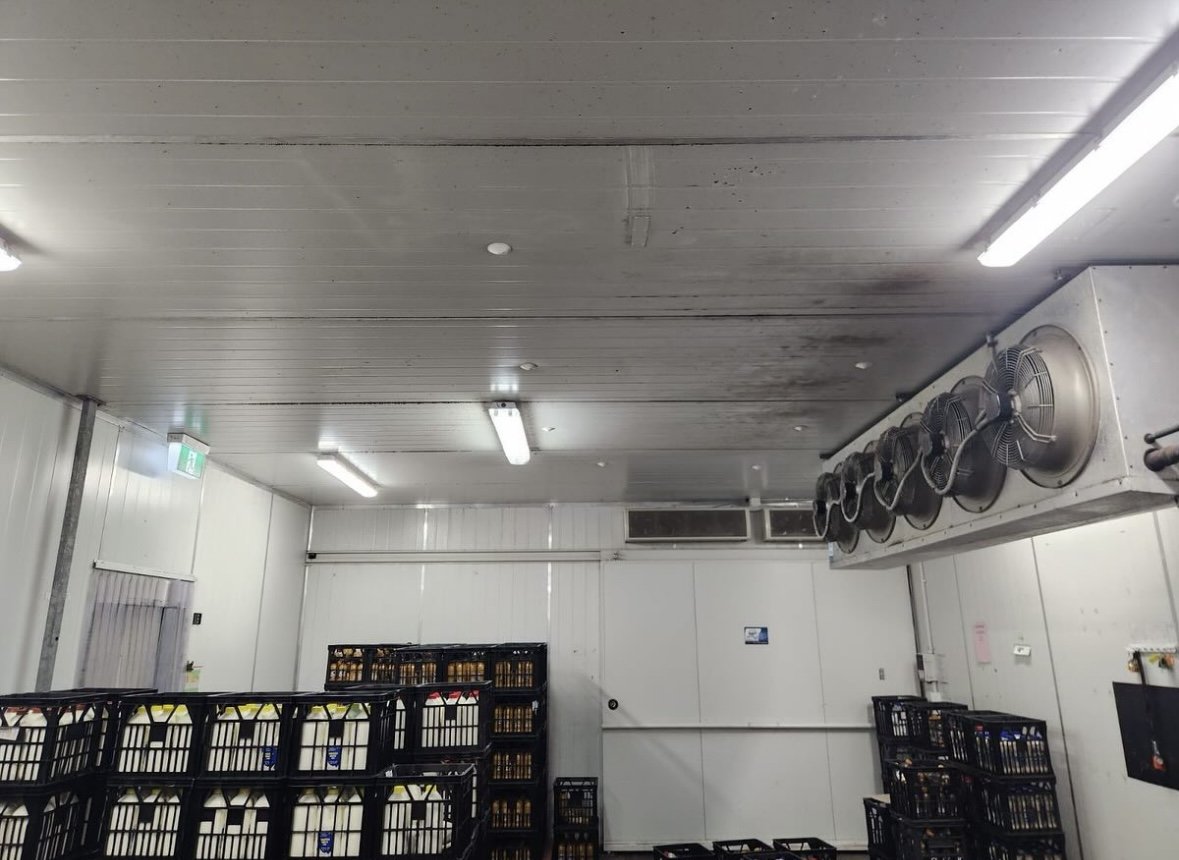
REFRIGERATION
-
![Glanville Industries Security, CCTV, Data and Telecommunications]()
SECURITY, CCTV, DATA & TELECOMMUNICATIONS
-
![Glanville Industries Safety Compliance]()
SAFETY COMPLIANCE
-
![Glanville Industries Television Antennas and Satellites]()
TELEVISION ANTENNAS & SATELLITES
-
![Glanville Industries Starlink and Cel-Fi Boosters]()
STARLINK & CEL-FI BOOSTERS



OuR TRUSTED BRANDS


Frequently asked questions
If we haven’t answered your solar, electrical, air conditioning or refrigeration questions here, please feel free to reach out to us.
-
Air conditioners, like any other appliance, need to be regularly maintained to ensure their longevity. Mitsubishi Heavy Industries Ltd recommends that you annually, professionally service your air conditioner.
Source: https://mhiaa.com.au/consumer-help-centre/faq/category/maintenance-and-service
-
For wall mounted systems, cleaning the filters on the indoor unit of your AC is usually a simple process. If you use your air conditioner often you will need to regularly check and clean the filters. We recommend doing this at least every couple of months if your AC is used daily. If you use your AC unit infrequently you should clean your filters at the start of the heating and cooling season. The design of the filters means they are easily washed with soap and water.
Source: https://mhiaa.com.au/consumer-help-centre/faq/category/maintenance-and-service
-
Every 6 - 12 months.
However, during a tenancy in a domestic dwelling, the tenant must test and clean each smoke alarm in the dwelling, at least once every 12 months.
Source: https://www.qfes.qld.gov.au/prepare/fire/smoke-alarms/landlords
-
From January 1, 2017 every Queensland residence will need to be fitted with photoelectric, interconnected smoke alarms in all bedrooms, as well as hallways of residences.
Any smoke alarm being replaced after January 1, 2017 must be a photoelectric smoke alarm.
All houses being built or significantly renovated will need to comply with the smoke alarm legislation upon completion after January 1, 2017.
All houses leased or sold will need to meet compliance after five years and all owner-occupied private dwellings will need to comply with the legislation within 10 years.
These smoke alarms must be:
240V mains powered interconnected photoelectric smoke alarms
Photoelectric smoke alarms that are powered by a sealed 10-year lithium battery and have the capability to wirelessly interconnect between each alarm
Source: http://www.qfes.qld.gov.au/smokealarms
-
“Test and Tag” is a process of carefully visually inspecting each appliance for damage to flex, connections, guards, covers and plug by a competent technician. Once the technician is assured the item is safe to electrically inspect, the item’s insulation, earthing and polarity may be tested to ensure it is electrically safe.
Source: https://www.appliancetaggingservices.com.au/help/what-is-test-and-tag
-
Your roof-mounted solar panels contain photovoltaic cells, also known as solar cells. When sunlight falls on the cells they convert the sun’s energy into DC (direct current) power.
Source: https://www.energyaustralia.com.au/home/help-and-support/faqs/solar-power
-
Safety switches are insurance against electric shock. They shut off electricity supply when current leakage is detected. This avoids serious electric shock and possible electric burns by stopping the current flowing through a person.
Safety switches have a 'T' or 'test' button on the front face. If the devices in your switch board do not have a test function, they are probably circuit breakers not safety switches.
Source: https://www.electricalsafety.qld.gov.au/frequently-asked-questions
-
Residential LEDs, especially “Energy Star” rated products, use at least 75% less energy, and last up to 25 times longer, than incandescent lighting.
Source: https://www.energy.gov/energysaver/led-lighting